Cloud Infrastructure Monitoring and Alerting
Eliminate alert fatigue and construct actionable, high-precision monitoring pipelines. Learn to define meaningful Service Level Indicators (SLIs), establish realistic error budgets, route actionable pages to on-call engineers, and automate self-healing remediation workflows.
Admin
Site Reliability Engineer
One of the most widespread dysfunctions in engineering teams is alert fatigue. When on-call engineers are inundated with non-actionable emails, vague threshold warnings, and noisy midnight notifications, genuine critical incidents are inevitably overlooked until users report outages on social media.
The Anatomy of an Actionable Alert
- User-Impacting: Alerts should trigger on symptoms directly affecting end users (e.g. 5xx error spikes or latency degradations), not internal proxy metrics that self-heal.
- Urgent and Actionable: Every notification waking an engineer at 2 AM must require immediate human intervention that cannot wait until morning.
- Equipped with Runbooks: Alerts must link directly to an updated runbook specifying triage steps, verification queries, and mitigation commands.
SLIs, SLOs, and Error Budgets
Adopting Site Reliability Engineering principles establishes a data-driven contract between product velocity and system stability:
- Service Level Indicator (SLI): A quantifiable metric of performance (e.g. percentage of successful API requests returned in under 300ms).
- Service Level Objective (SLO): The target goal agreed upon by product and engineering teams (e.g. 99.9% of requests meet the SLI over a 30-day window).
- Error Budget: The permitted room for failure (0.1% downtime). When the error budget is exhausted, team priorities immediately pivot from feature delivery to reliability hardening.
Automating Self-Healing Workflows
Pairing alerting streams with automated remediation (such as triggering an AWS Lambda function to restart a stuck worker process, flush an overfilled cache, or provision extra read replicas) resolves transient issues in seconds before engineers even unlock their laptops.
Related Topics & Cloud Technologies
Related Cloud Architecture Articles
More insights and deep dives in Monitoring, Observability and Reliability
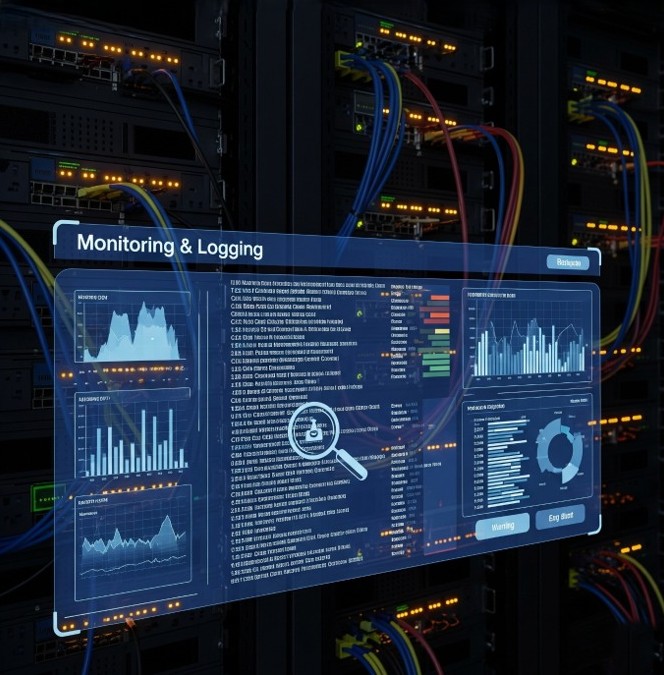
Prometheus and Grafana Monitoring Guide
Construct full-stack observability pipelines for distributed cloud architectures. Learn how to configure Prometheus metric scrapers, compose optimized PromQL aggregations, configure Alertmanager routing, and design intuitive, high-impact Grafana operations dashboards.
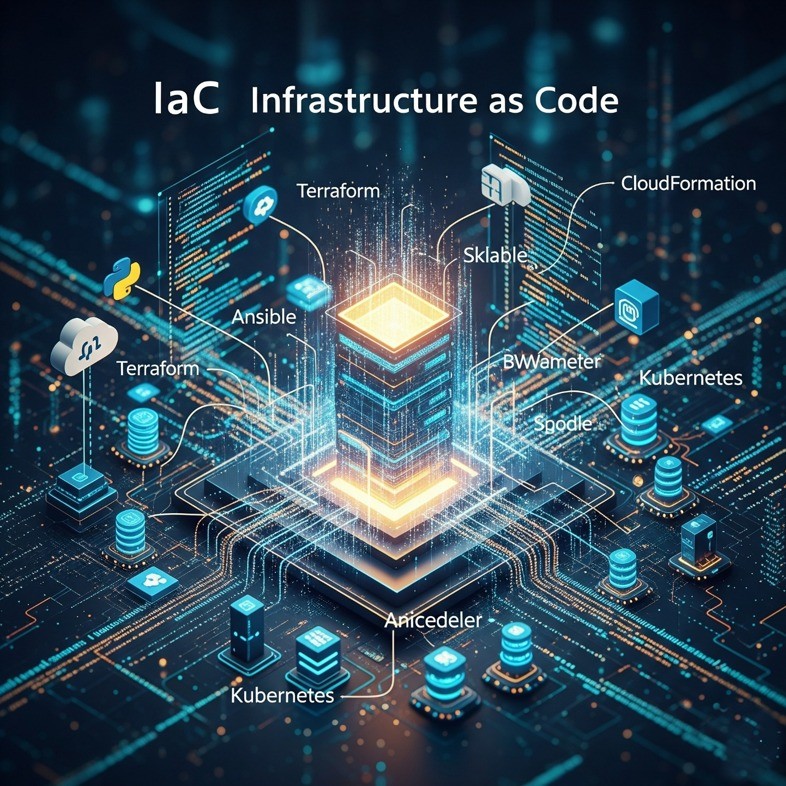
Why Use Terraform for Cloud Infrastructure Automation?
Discover why Infrastructure as Code with HashiCorp Terraform is the industry benchmark for multi-cloud automation. Learn how declarative syntax, state management, modular architectures, and safe dry-run planning eliminate human error and accelerate reliable deployments across AWS, Azure, and Google Cloud.
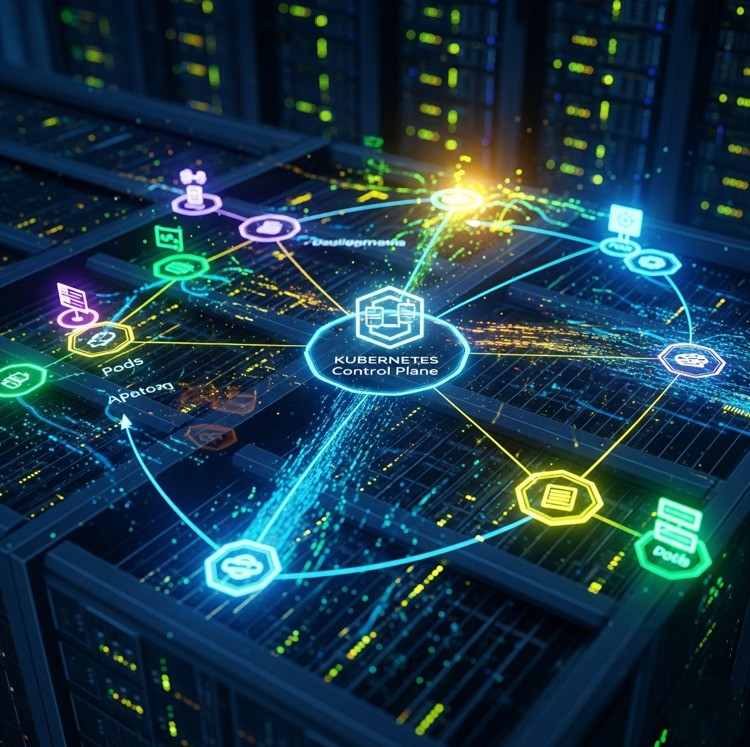
Kubernetes Best Practices for Production Environments
Operating Kubernetes in high-scale production requires more than default manifests. Master cluster hardening, resource requests and limits, Pod Disruption Budgets, Horizontal Pod Autoscaling, network policies, and secrets encryption to achieve 99.99% workload uptime.