Using AI to Simplify Cloud Operations
Explore how machine learning and Large Language Models are transforming cloud infrastructure management. Discover AIOps telemetry anomaly detection, automated root-cause analysis (RCA), intelligent capacity forecasting, and AI-driven automated remediation pipelines.
Cloud Solution Lyne Team
Head of AI & Cloud Innovation
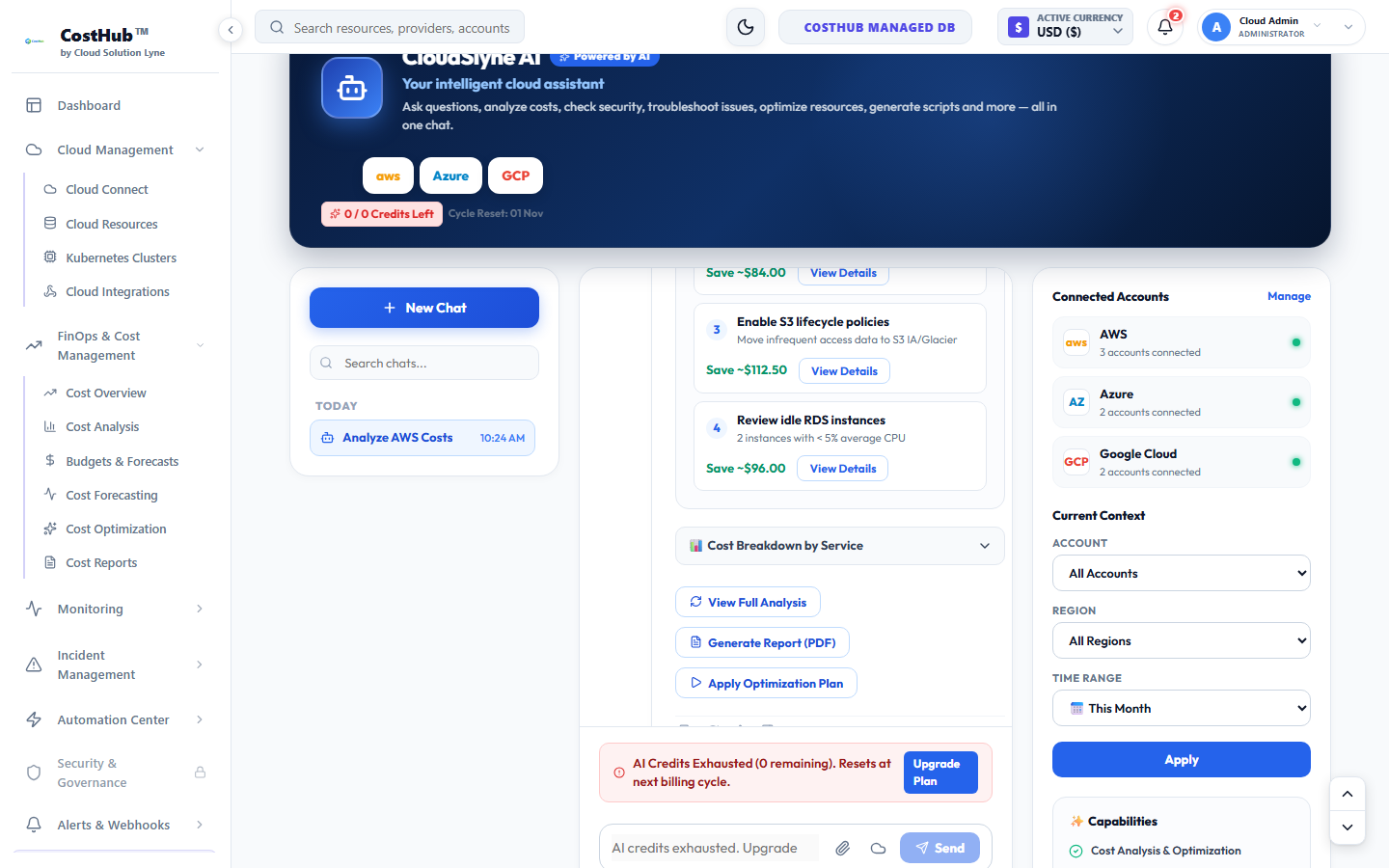
As modern cloud environments scale into thousands of microservices, serverless invocations, and multi-cloud networks, the volume of metrics, logs, and traces generated exceeds human cognitive capacity. AIOps (Artificial Intelligence for IT Operations) leverages intelligent machine learning algorithms to automate operational complexity.
Transforming Telemetry into Actionable Intelligence
- Dynamic Baseline Anomaly Detection: Automatically adapt alerting thresholds based on historical day-of-week and time-of-day traffic patterns rather than rigid static limits.
- Log Clustering and Noise Reduction: Group millions of repetitive application log messages into distinct semantic patterns to isolate genuine error spikes.
- Automated Root-Cause Correlation: Correlate simultaneous alerts across network switches, database connection pools, and container CPU throttles to identify the single upstream trigger.
- Predictive Capacity Auto-Scaling: Predict traffic spikes 30 minutes before flash sales or marketing events, pre-warming clusters and caches seamlessly.
AI-Assisted Infrastructure as Code
Modern engineering teams increasingly use AI assistants to generate boilerplate Terraform modules, review pull requests for hidden security flaws, and draft initial disaster recovery runbooks. When paired with human review and automated CI validation, AI tools accelerate infrastructure delivery significantly.
Related Topics & Cloud Technologies
Related Cloud Architecture Articles
More insights and deep dives in Automation and Platform Engineering
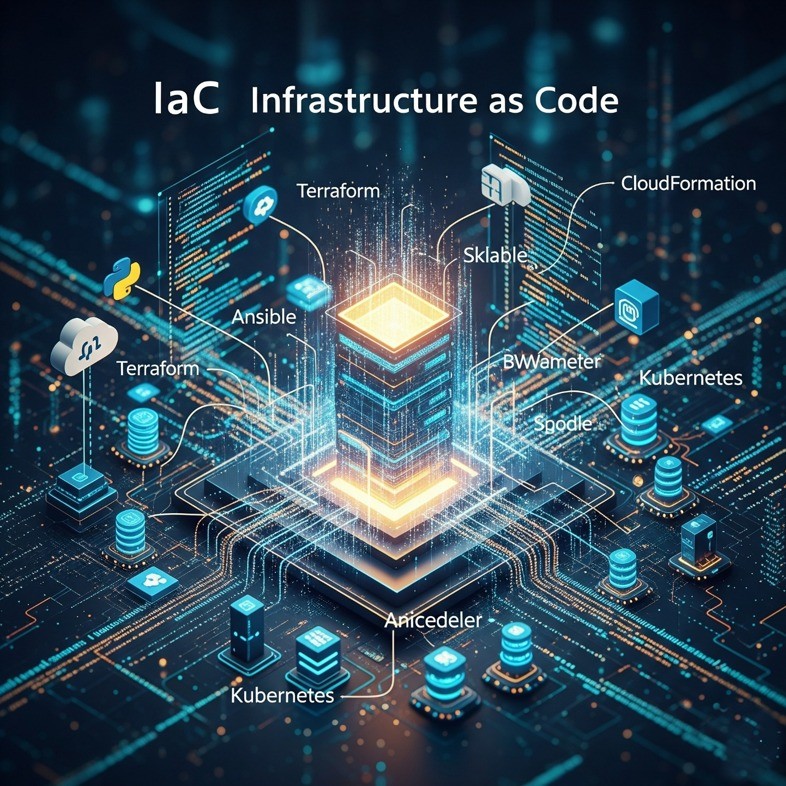
Why Use Terraform for Cloud Infrastructure Automation?
Discover why Infrastructure as Code with HashiCorp Terraform is the industry benchmark for multi-cloud automation. Learn how declarative syntax, state management, modular architectures, and safe dry-run planning eliminate human error and accelerate reliable deployments across AWS, Azure, and Google Cloud.
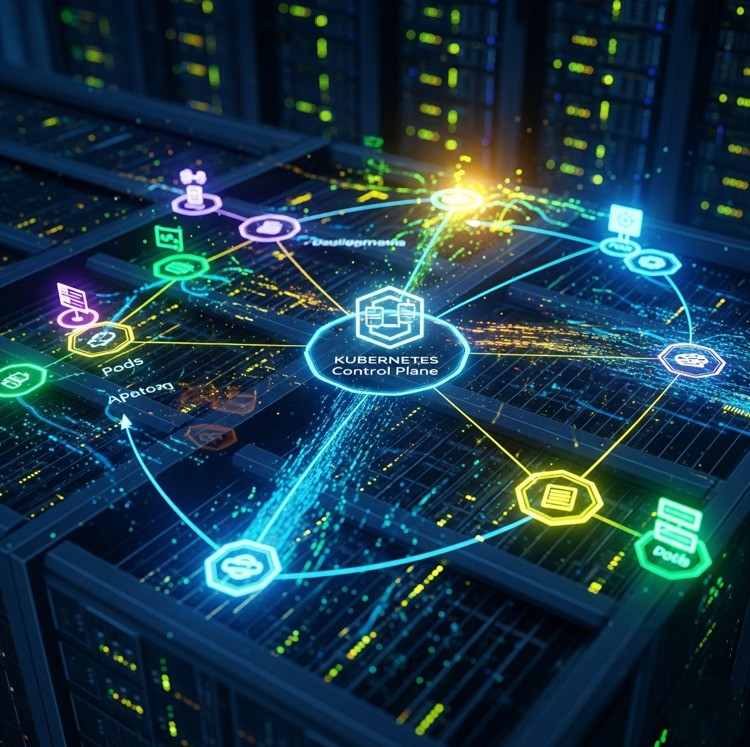
Kubernetes Best Practices for Production Environments
Operating Kubernetes in high-scale production requires more than default manifests. Master cluster hardening, resource requests and limits, Pod Disruption Budgets, Horizontal Pod Autoscaling, network policies, and secrets encryption to achieve 99.99% workload uptime.
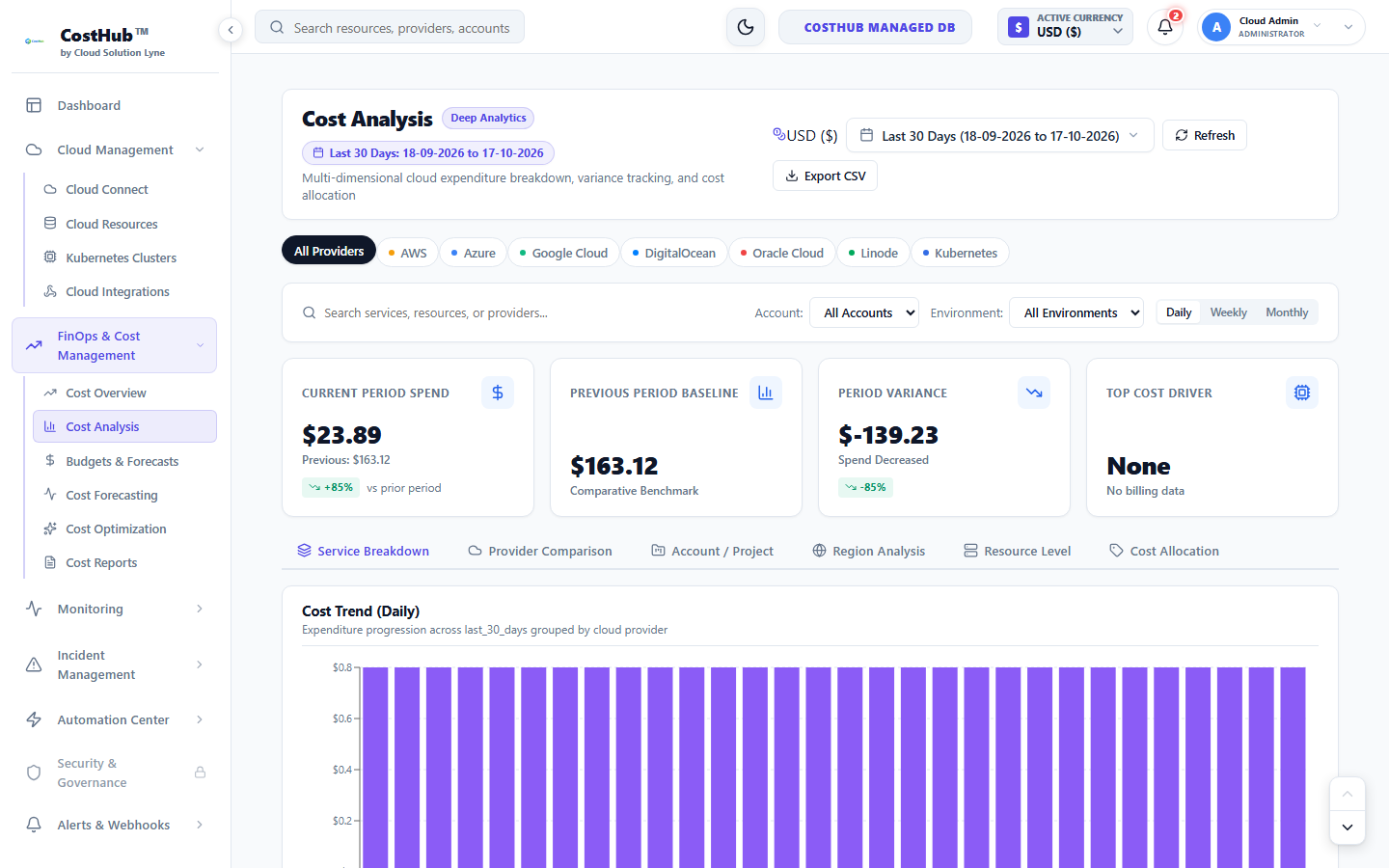
5 Strategies for Cloud Cost Optimization
Uncontrolled cloud spending rapidly erodes engineering margins. Discover five battle-tested FinOps strategies: intelligent workload right-sizing, automated idle resource reclamation, commitment savings plans, storage tier lifecycles, and real-time anomaly alerting to reduce spend by 30-45%.