Building Highly Available Cloud Infrastructure
Design mission-critical cloud topologies capable of surviving data center disruptions and regional outages. Explore multi-availability zone replication, global anycast routing, active-active database clustering, and self-healing infrastructure patterns for 99.999% reliability.
Cloud Solution Lyne Team
Principal Systems Architect
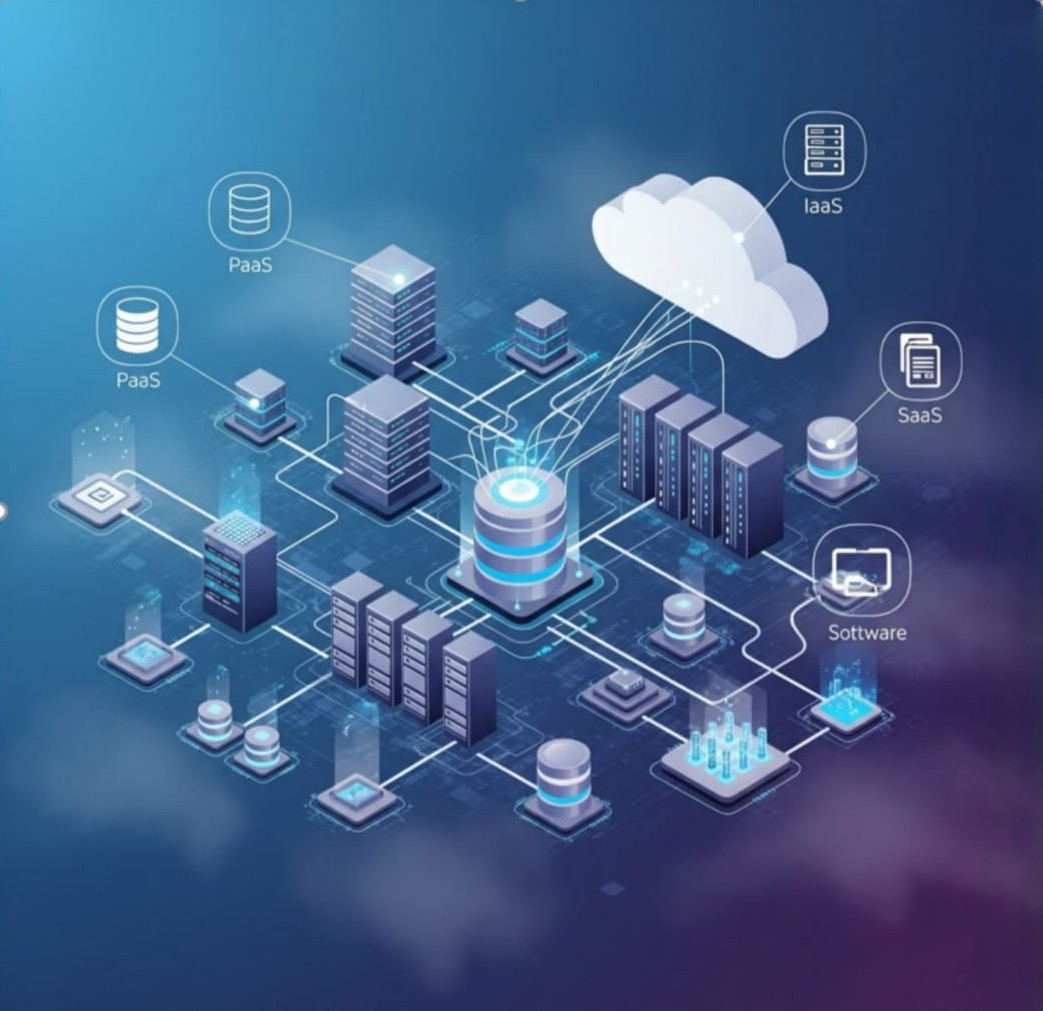
High availability (HA) is not an accidental feature—it is an intentional architectural discipline. Hardware failures, fiber cuts, power outages, and software bugs are inevitable. Building resilient systems means expecting components to fail continuously and engineering automated recovery mechanisms that render individual failures invisible to end users.
Multi-AZ Resilience: The Baseline Requirement
Deploying workloads into a single cloud availability zone leaves your service vulnerable to isolated power or networking events. High-availability architectures distribute compute nodes, containers, and data replicas across at least three geographically separated availability zones within a region, backed by health-checking Application Load Balancers.
Key Architectural Building Blocks
- Stateless Application Tier: Decouple user sessions from individual servers using centralized caches (Redis clusters) and tokenized authentication (JWTs).
- Multi-AZ Database Clustering: Utilize Amazon Aurora Multi-AZ with automated failover in under 30 seconds and distributed storage replication.
- Global Anycast DNS & Edge Routing: Deploy AWS Route 53 latency routing or Cloudflare Anycast to gracefully divert traffic during regional outages.
- Self-Healing Auto Scaling Groups: Automatically terminate unhealthy instances and launch replacements without human intervention.
Chaos Engineering: Validating Resilience
Never assume high availability works until you test it. Regularly run chaos experiments (using tools like Chaos Mesh or AWS Fault Injection Service) to simulate zone degradation, disk saturation, and packet loss under realistic traffic conditions.
Related Topics & Cloud Technologies
Related Cloud Architecture Articles
More insights and deep dives in Cloud Architecture and Migration

Cloud Migration Planning and Execution
Navigate legacy data center migrations without operational downtime or budget overruns. Learn the 6 R's framework, automated dependency discovery, database replication cutover strategies, risk mitigation tactics, and organizational change management for successful cloud adoption.

Disaster Recovery and Business Continuity
Safeguard enterprise business operations against catastrophic cloud outages, ransomware, and infrastructure failures. Understand Recovery Time Objective (RTO) and Recovery Point Objective (RPO), immutable backup architectures, and multi-region failover strategies.
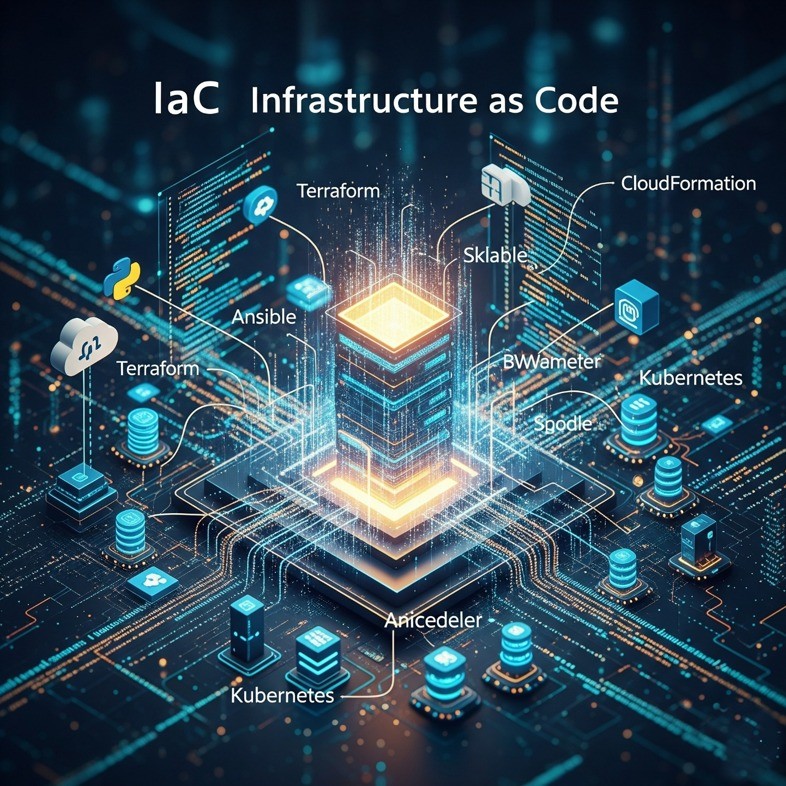
Why Use Terraform for Cloud Infrastructure Automation?
Discover why Infrastructure as Code with HashiCorp Terraform is the industry benchmark for multi-cloud automation. Learn how declarative syntax, state management, modular architectures, and safe dry-run planning eliminate human error and accelerate reliable deployments across AWS, Azure, and Google Cloud.