Cloud Migration Planning and Execution
Navigate legacy data center migrations without operational downtime or budget overruns. Learn the 6 R's framework, automated dependency discovery, database replication cutover strategies, risk mitigation tactics, and organizational change management for successful cloud adoption.
Cloud Solution Lyne Team
Migration Practice Lead

Migrating enterprise workloads from on-premises data centers or colocation facilities to the cloud represents a pivotal transformation. However, lift-and-shift projects undertaken without rigorous discovery and architectural planning frequently lead to escalated operating expenses, performance bottlenecks, and organizational friction.
The 6 R's Migration Framework
- Rehost (Lift and Shift): Move virtual machines directly to cloud compute instances with minimal architectural changes.
- Replatform (Lift, Tinker, and Shift): Modernize underlying components—such as switching from self-hosted relational databases to Amazon RDS—without altering core application code.
- Repurchase (Drop and Shop): Transition custom internal tools to established SaaS solutions (e.g. migrating internal ticketing systems to cloud platforms).
- Refactor (Re-architect): Redesign legacy monoliths into cloud-native microservices or serverless architectures to unlock maximum elasticity.
- Retain: Keep legacy systems on-premises when regulatory, data sovereignty, or depreciation timelines demand.
- Retire: Decommission outdated, redundant applications uncovered during enterprise portfolio discovery.
Zero-Downtime Database Cutover Strategies
Database cutover is universally recognized as the highest-risk phase of migration. Utilizing Continuous Data Capture (CDC) tools—such as AWS Database Migration Service (DMS)—allows transactional data to synchronize in real time between source on-prem databases and cloud targets. Once lag reaches zero, the DNS switch can occur within minutes with zero data loss.
Related Topics & Cloud Technologies
Related Cloud Architecture Articles
More insights and deep dives in Cloud Architecture and Migration
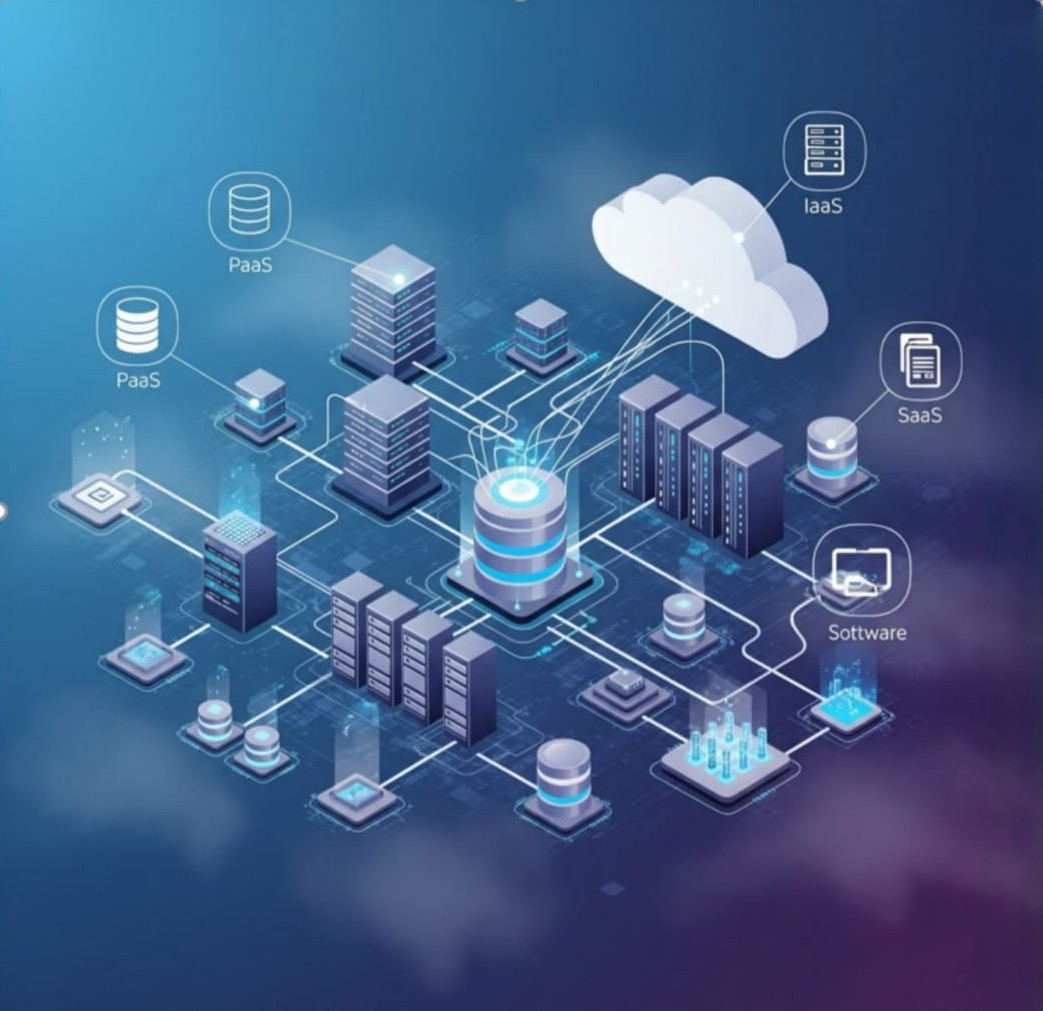
Building Highly Available Cloud Infrastructure
Design mission-critical cloud topologies capable of surviving data center disruptions and regional outages. Explore multi-availability zone replication, global anycast routing, active-active database clustering, and self-healing infrastructure patterns for 99.999% reliability.
Disaster Recovery and Business Continuity
Safeguard enterprise business operations against catastrophic cloud outages, ransomware, and infrastructure failures. Understand Recovery Time Objective (RTO) and Recovery Point Objective (RPO), immutable backup architectures, and multi-region failover strategies.
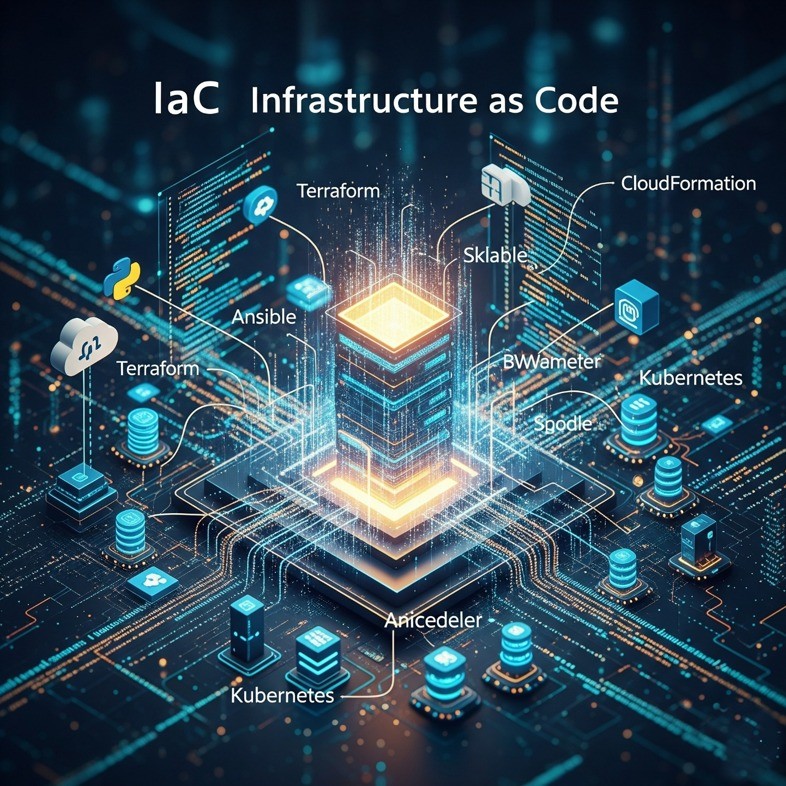
Why Use Terraform for Cloud Infrastructure Automation?
Discover why Infrastructure as Code with HashiCorp Terraform is the industry benchmark for multi-cloud automation. Learn how declarative syntax, state management, modular architectures, and safe dry-run planning eliminate human error and accelerate reliable deployments across AWS, Azure, and Google Cloud.